
Glaucoma: What You Need to Know — A Comprehensive Guide by North Coast Optometry
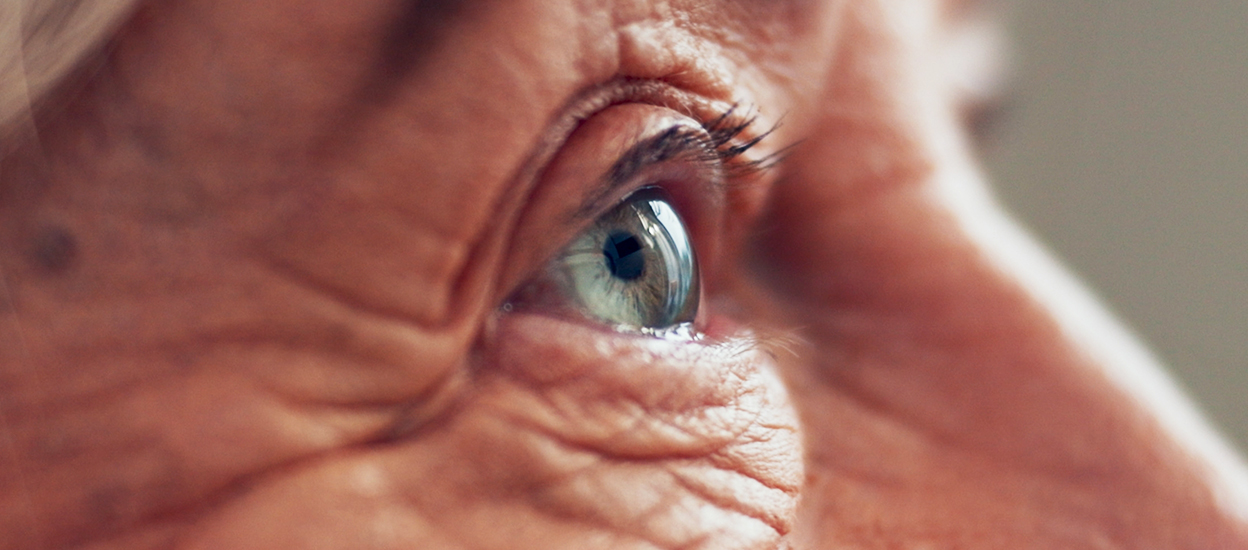
Glaucoma is one of the leading causes of vision loss worldwide—and it often progresses without noticeable symptoms in its early stages. At North Coast Optometry, we are committed to protecting your long-term eye health through early detection, advanced technology, and individualized treatment plans.
Whether you’ve been diagnosed with glaucoma, have a family history of the condition, or simply want to stay proactive about your vision, understanding how glaucoma works is your first line of defense.
What Is Glaucoma?
Glaucoma refers to a group of eye diseases that damage the optic nerve—the pathway that sends visual information from the eye to the brain. This damage is often caused by elevated intraocular pressure (IOP), but glaucoma can also occur with normal eye pressure.
Two Most Common Types of Glaucoma
Primary Open-Angle Glaucoma (Most common):
Develops slowly and painlessly, often without early symptoms.
Angle-Closure Glaucoma (Less common, more severe):
Can occur suddenly and is considered a medical emergency.
Because early glaucoma often shows no warning signs, routine eye exams are essential—especially for adults over 40.
Symptoms of Glaucoma
Glaucoma symptoms vary by type and stage. Many people don’t notice changes until vision loss has already occurred.
Common Symptoms May Include:
Gradual loss of peripheral (side) vision
Blurred vision
Halos around lights
Eye pain or redness
Sudden headache (in acute cases)
Nausea and vomiting (with angle-closure glaucoma)
Because glaucoma-related vision loss is permanent, early detection is critical.
How North Coast Optometry Diagnoses Glaucoma
Our office uses advanced diagnostic technology to detect glaucoma at its earliest, most treatable stages.
Your Glaucoma Evaluation May Include:
Tonometry: Measures eye pressure
OCT Imaging: Provides detailed images of the optic nerve
Visual Field Testing: Detects peripheral vision loss
Gonioscopy: Examines the drainage angle
Optic Nerve Evaluation: Assesses structural changes
These tools allow our doctors to track subtle changes over time and provide the best possible care.
Glaucoma Treatment Options
While glaucoma cannot be cured, it can be managed to slow or prevent further vision loss.
Treatment May Include:
Prescription eye drops to lower eye pressure
Oral medications
Laser procedures such as SLT
Surgical interventions in advanced cases
Your treatment plan will be tailored to your needs, lifestyle, and medical history.
Comprehensive Glaucoma Q&A
Q: Who is at risk for glaucoma?
Individuals who are:
Over age 40
Have a family history of glaucoma
African American, Asian, or Hispanic
Diabetic
Severely nearsighted
Taking long-term steroid medications
These groups should receive more frequent eye exams.
Q: Can glaucoma be prevented?
While you can’t fully prevent glaucoma, you can lower your risk through:
Regular comprehensive eye exams
Protecting your eyes from injury
Managing underlying conditions (such as diabetes)
Using prescribed medications consistently
Early detection remains the most effective way to prevent vision loss.
Q: Is vision lost from glaucoma reversible?
Unfortunately, once optic nerve damage occurs, the lost vision cannot be restored. This is why proactive treatment is so important.
Q: How often should I be screened for glaucoma?
General recommendations:
Ages 20–39: Every 2–3 years
Ages 40–64: Every 1–2 years
Over 65: Annually
High-risk patients: As recommended by your eye doctor (often every 6–12 months)
Q: What happens if glaucoma goes untreated?
Untreated glaucoma can lead to:
Severe peripheral vision loss
Central vision damage
Permanent blindness
Routine exams can prevent these outcomes.
Q: Does glaucoma always involve high eye pressure?
No. Some patients develop normal-tension glaucoma, where optic nerve damage occurs despite normal eye pressure. Comprehensive testing is necessary for accurate diagnosis.
Protect Your Vision With North Coast Optometry
Glaucoma doesn’t have to take your sight—especially when detected early. Our experienced team is here to provide compassionate, thorough care for every stage of the condition.
If you have concerns about glaucoma, family history, or simply want to stay proactive, we are here to help.
Contact North Coast Optometry
North Coast Optometry
📍 3915 Mission Ave #2
Oceanside, CA 92057
📞 (760) 757-8771
🌐 Website: northcoastoptometry.com
📅 Request an Appointment:
https://scheduler.eyefinity.com/index.html?domainName=northcoastoptometry.info
Quick Links
Helpful Articles

All Eye Care Services
Find personalized eye care excellence with our comprehensive services. From eye exams to advanced diagnostics, trust us for all your vision needs.

Keep In Touch
For non-urgent questions or to learn more about our services, contact us today!
© 2026 North Coast Optometry. All rights Reserved - Accessibility Statement - Privacy Policy - Sitemap
Managed and Designed by 